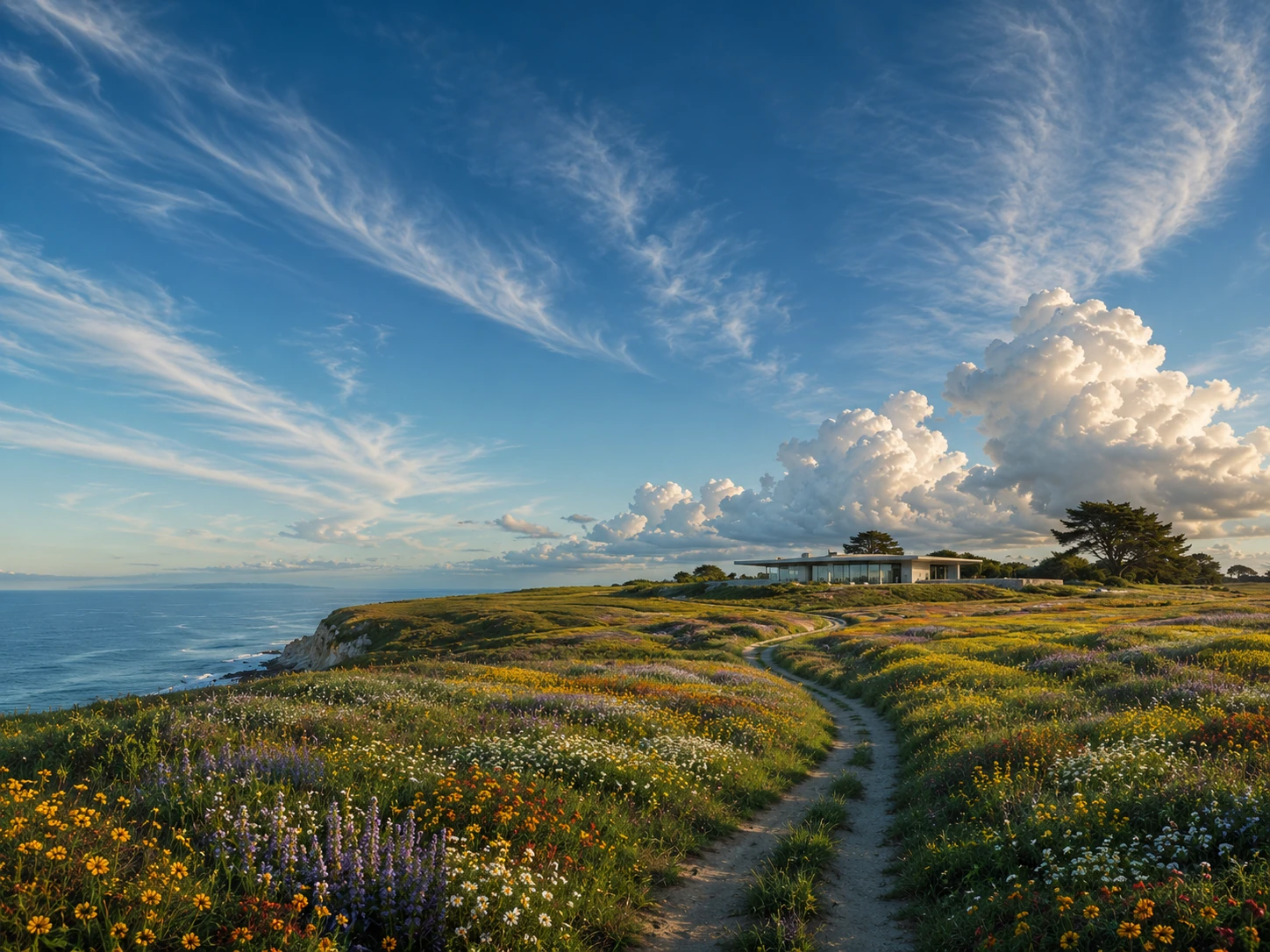
Cover image for Cheapest Ways to Live on Land showing a modest rural homesite with a simple small house, garden beds, pickup truck, and practical outbuildings at dawn.
BuildingQuestion6 min readBy MaxwellHomes And Building

Cheapest Ways to Live on Land

Answer-first summary

The cheapest way to live on land is usually not the most improvised option. It is the most legally workable, financially survivable one. In practice that often means buying a smaller parcel with an existing modest home, using a qualifying manufactured-home path where allowed, or building a phased setup that secures access, water, wastewater, and shelter before anything aspirational. Cheap gets expensive fast when legality and infrastructure are ignored.

low-cost livinghomesteadmanufactured housingoff-gridland buying

Cheap works best when it is stable

People looking for a low-cost path onto land often get pulled toward the most improvised idea first: an RV, a shed, an unfinished shell, or a parcel with no real plan for water and wastewater.

Sometimes that works temporarily. Often it does not.

The cheapest sustainable way to live on land is usually the option that keeps carrying costs, code risk, and infrastructure surprises under control. The goal is not to look rugged. The goal is to stay housed and keep the land workable.

Existing modest housing is often the cheapest real path

If the property already has a simple, legal dwelling, that usually lowers the risk more than buyers expect. You may be starting with something small or dated, but you are not solving every major system at once.

That can mean:

  • a small rural house,
  • an older farmhouse that still functions,
  • a simple cabin where legal,
  • or a modest manufactured home that already has utilities and site work in place.

The point is not that existing housing is always the lowest sticker price. It is that it often reduces the number of expensive unknowns.

Manufactured housing can be a legitimate low-cost path

Manufactured housing is not the answer for every parcel, but it is one of the more practical lower-cost ownership paths when local rules allow it and the site can support it.

HUD’s Office of Manufactured Housing Programs governs federal standards for manufactured homes, and USDA Rural Development notes that Section 502 direct loans can be used to purchase homes in eligible rural areas and to purchase and prepare sites, including water and sewage facilities, in qualifying situations.

That matters because some of the strongest low-cost land plans are not about starting from zero. They are about combining modest housing with a manageable parcel and a phased improvement plan.

The hidden costs are usually septic, water, and site prep

This is where “cheap land” often turns into expensive land.

If the parcel does not already have working infrastructure, you need to think clearly about:

  • septic feasibility,
  • water source or well costs,
  • driveway and access work,
  • power or off-grid readiness,
  • and what local zoning actually allows as a residence.

EPA’s homeowner guide to septic systems (PDF) and its funding page for septic systems are useful reminders that wastewater is a real system, not a detail to hand-wave away.

The cheapest path is often phased, not finished

If you cannot buy the full dream today, that does not mean you cannot buy land.

It usually means:

  • choose a parcel that works in phase one,
  • keep the footprint modest,
  • add systems in the order that makes daily life easier,
  • and leave vanity upgrades for later.

This is why How to Build a Homestead in Phases matters. A phased plan is often the difference between “cheap enough to buy” and “cheap enough to keep.”

Rural programs can help, but they do not replace discipline

USDA Rural Development’s Section 502 Direct Loan program and Section 504 Home Repair program can matter in qualifying rural situations. But even when assistance exists, the land still has to work.

That means the deal still rises or falls on:

  • location,
  • legality,
  • basic infrastructure,
  • and the monthly burden after closing.

Practical takeaway

The cheapest way to live on land is rarely the wildest workaround. It is usually the most modest legal setup that gives you a real start without forcing every expensive decision into year one.

Use the phased homestead guide, the off-grid checklist, and the buying land checklist together before you confuse low price with low risk.

Want help pressure-testing a lower-cost living setup on land before you buy? Sign up for LandShop and ask questions in the community. You can compare parcel ideas, housing paths, and first-phase budgets with other buyers.

Sources and further reading

FAQ

What is usually the cheapest stable way to live on land?

Often it is a modest existing dwelling or a simple phased setup on a workable parcel, not the most improvised shelter idea. Stability matters more than novelty.

Why do cheap land plans go wrong so often?

Because buyers underestimate septic, water, access, zoning, and monthly carrying costs. The low purchase price hides the real setup burden.

Can manufactured housing be a practical lower-cost option?

Yes, where local rules allow it and the site is workable. It can be a legitimate path into ownership when paired with realistic site and infrastructure planning.

More questions in this topic

Related links

Ask LandShop

Need help applying this to a real parcel?

Bring your actual land, financing, tax, zoning, or build question into the LandShop community and pressure-test the plan before you commit.

Keep Reading

Related posts

More LandShop articles in this track and nearby topics.

Cover image for How to Build a Homestead in Phases showing an early-stage homestead with a simple cabin, stacked building materials, water tote, garden beds, and a greenhouse frame on rural land at golden hour.
4/10/20266 min readBy Maxwell
How to Build a Homestead in Phases

A LandShop guide to building a homestead in practical stages so the land starts working before the full dream is fully built.

    Cheapest Ways to Live on Land