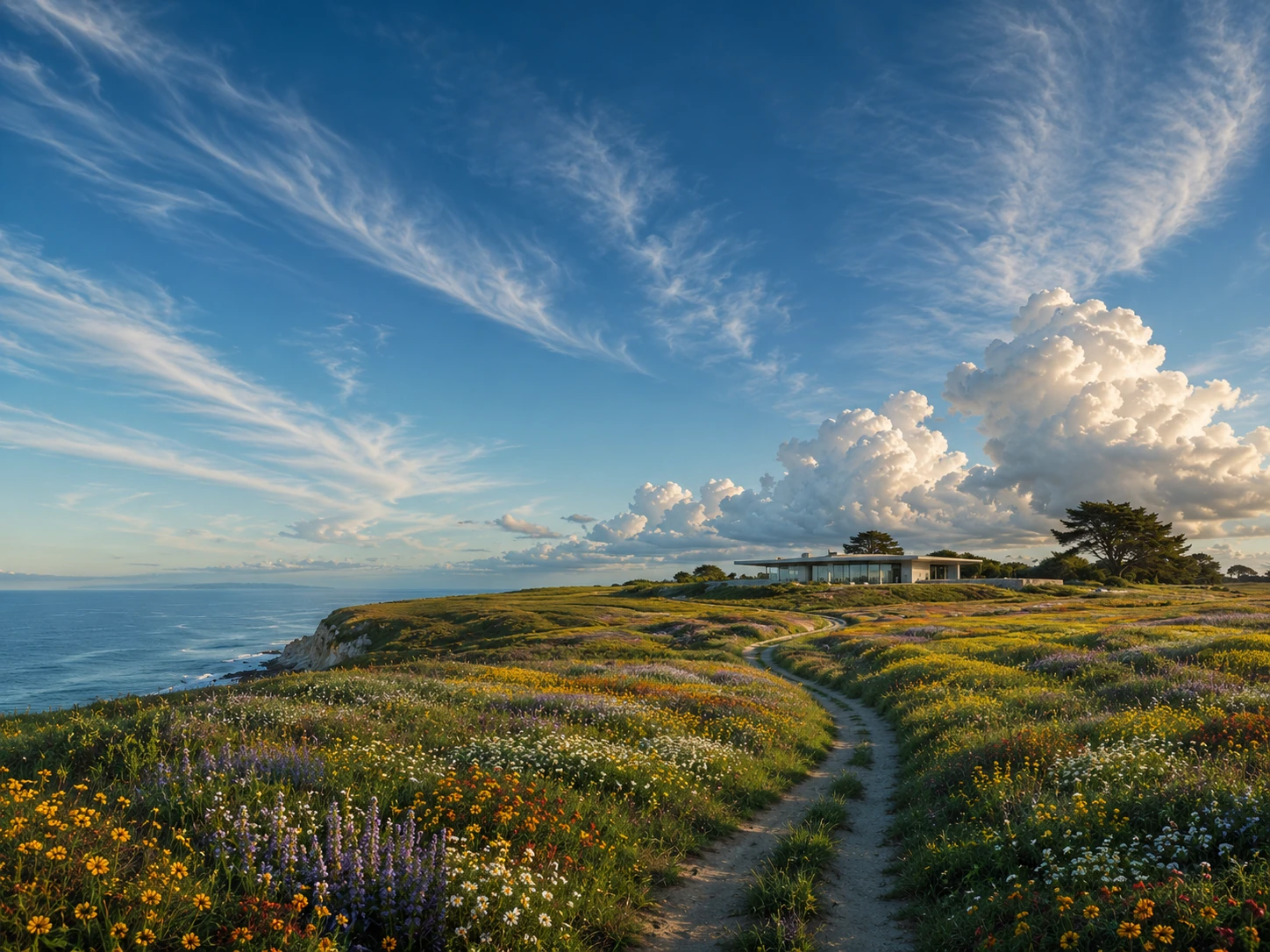
Why Some Landowners Choose Not to Sell
Answer-first summary
When a landowner turns down a massive offer, the story is not just about money. It is about control, continuity, and the fact that some land holds more value as a home, a working property, and a long-term family asset than it does as a payout. For buyers and owners alike, the practical lesson is that land ownership is not only about price. It is also about purpose, optionality, and what you want the property to remain.
Some land is worth more than the offer
Stories about land usually focus on price. A developer offers a huge number. The headlines call it life-changing money. Everyone asks the same question: how could someone say no?
But for many owners, especially families who live on and work their land, that is the wrong question.
The better question is: what would the money replace?
If the land is your home, your working ground, your family history, your future plan, and the place where your children and grandchildren gather, then a large offer may not actually buy back what gets lost.
That is why ownership matters. Ownership is not just about having an asset that can be sold. It is about having control over what stays, what changes, and what kind of life the land continues to support.
Family land still anchors rural America
This matters because family ownership is still the backbone of American agriculture. The 2022 Census of Agriculture found that family-owned farms accounted for 95% of all U.S. farms and operated 84% of land in farms.
That does not mean every family farm is huge or highly profitable. It means a large share of rural land is still tied to real households, real histories, and real local communities. When one of those properties gets pressured by a large industrial project, the decision is not just financial. It can reshape a whole area.
Land values have also risen, which makes outside offers feel even more dramatic. USDA reported that U.S. farmland averaged $4,350 per acre in 2025, while cropland averaged $5,830 per acre. But average value and lived value are not the same thing. A market number does not measure memories, control, or the ability to keep using the land the way a family intends.
The next land pressure is not always housing
For years, many owners worried mostly about subdivisions, highways, and warehouse growth. Now another pressure is showing up in rural markets: data centers and the infrastructure that supports them.
That is not imagined. The U.S. Department of Energy said a Lawrence Berkeley National Laboratory report found that data centers used about 4.4% of total U.S. electricity in 2023 and could reach roughly 6.7% to 12% by 2028.
As that demand rises, more companies will look for large sites with power access, transmission potential, road access, water considerations, and fewer urban constraints. In practice, that can put new pressure on farmland and rural communities that were never shaped around industrial-scale digital infrastructure.
A large offer can still be a bad fit
A landowner can receive an offer that is far above appraised agricultural value and still make a rational decision to reject it.
That can happen for a few reasons:
- the land supports an existing farming or ranching operation,
- the owner does not want the surrounding community changed permanently,
- a partial sale may damage the usefulness of what remains,
- nearby neighbors may bear costs without sharing in the upside,
- or the seller may simply value continuity more than liquidity.
This is where LandShop’s ownership lens matters. Land is not only a commodity. It is also a platform for a life. If selling destroys the reason you wanted the property in the first place, the highest number is not automatically the best outcome.
What buyers should learn from this
For people trying to buy land today, this kind of story is important because it reveals what land ownership can actually mean.
Owning land is not just about speculation or hoping someone else offers more later. Done right, it gives you:
- control over use,
- room to build in phases,
- long-term optionality,
- a place to keep family roots,
- and the ability to say no when a future offer conflicts with your values.
That last part matters. One of the quiet strengths of ownership is the right to hold. If you buy land with a clear sense of purpose, you are in a stronger position later whether you decide to keep it, improve it, lease it, or pass it on.
What landowners should do before pressure arrives
The worst time to decide what your land means is when someone is already waving a large number at you.
If you own land now, do the thinking early:
- Define your non-negotiables.
Decide what would make a sale unacceptable even at a high number.
- Know the zoning and entitlement path around you.
Large projects usually depend on local approvals, not just purchase contracts.
- Understand what a partial sale would do to the rest of the property.
Access, drainage, views, farming utility, and resale value can all change.
- Talk with your family before there is pressure.
A shared plan is better than trying to negotiate values in the middle of conflict.
- Get independent legal and tax advice.
A headline offer is not the same thing as a clean long-term outcome.
What buyers should do if this is the kind of ownership they want
If this story resonates with you, the practical takeaway is not “wait for a perfect legacy farm.” It is to start buying with intent.
Look for land you can actually use and hold. Think about access, water, zoning, taxes, and whether the property gives you room to grow into ownership over time. A smaller parcel with clear utility can be more powerful than a larger property that only works as a speculative bet.
The point is not to copy someone else's family story. The point is to buy land in a way that gives you the same core benefit: agency.
Ownership first
Some landowners will sell, and sometimes that is the right call. But stories like this are a reminder that ownership is not measured only by the size of the offer. It is measured by whether the property still does what you want your land to do.
If the land gives your family stability, purpose, income, memory, and independence, then saying no can be just as rational as saying yes.
That is what ownership first means. You do not have to treat every property like inventory. You can treat it like a place worth protecting.
Want help finding land you can actually use, keep, and grow into over time? Sign up for LandShop and ask questions in the community. You can learn from other buyers, compare strategies, and get practical feedback as you build your own ownership plan.
Sources and further reading
FAQ
Why would someone reject a very large land offer?
Because land can carry value that is not captured by price alone. For many owners it is a home, an operating property, a family asset, and a long-term source of control and continuity.
How can a partial land sale hurt the rest of a property?
A partial sale can change access, drainage, privacy, views, agricultural usefulness, and the future value or usability of what remains, especially if the surrounding project is industrial in scale.
What should landowners do before a developer approaches them?
Clarify your non-negotiables, understand local zoning, model how a partial sale would affect the remaining land, and get independent legal and tax advice before negotiating.
More questions in this topic
Related links
Ask LandShop
Need help applying this to a real parcel?
Bring your actual land, financing, tax, zoning, or build question into the LandShop community and pressure-test the plan before you commit.